In multi-tenant cloud platforms, implementing "Taiwan native IP virtual machine isolation policies and best practices for network security in multi-tenant environments" is crucial for safeguarding tenant data and network boundaries. This article provides practical design and operation recommendations from the perspectives of isolation models, network partitioning, access control, and monitoring, helping cloud service providers and enterprises in Taiwan or those facing the Taiwan market reduce horizontal risks and meet compliance requirements.
In multi-tenant scenarios, native IPs may be directly exposed to the public network, increasing the risk of scanning and misuse. When different tenants share physical networks and upstream links, it is necessary to prevent lateral movement, IP spoofing, and traffic hijacking, while also considering local Taiwanese laws, telecom operator rules, and anti-abuse requirements.
The basic principles include least privilege, default denial, layered defense, and auditability. For virtual machines with Taiwan native IPs, logical partitioning, identity- and tag-based policies should be adopted, and the control plane and data plane should be separated to reduce cross-tenant access caused by configuration errors.
Physical or logical isolation of tenants from subnets via VLANs, combined with private VLANs (PVLANs) to restrict direct communication within the same broadcast domain. Subnet division should be designed based on tenant trust level, business type, and traffic pattern, avoiding different tenants sharing routable broadcast domains.
Implement policy-based routing and ACLs on virtual routers, granular down to source/destination IPs, ports, and protocols. Strict ACLs and reverse path verification have been added to Taiwan's native IP entry points to prevent forged source IPs and abnormal routes, thereby reducing the risk of lateral attacks and abuse.
Assigning native Taiwanese IPs requires compliance with local IP management and telecom regulations, recording tenant information and usage for traceability. When connecting with ISPs or upstream backbones, establish abuse handling processes synchronized with blacklists to ensure rapid response and isolation of abuse complaints when received.
Use Security Zones to separate critical services from low-trust tenants, while limiting abuse by single tenants through resource quotas (CPU, memory, bandwidth). Bandwidth and connection limits can effectively reduce the impact of DDoS on other tenants.
Unified management of image repositories, with security scans and signatures performed on images to ensure that the virtual machine startup source can be verified. Establish automated patching and change processes to promptly patch known vulnerabilities and prevent lateral infiltration through known vulnerabilities.

Deployed distributed intrusion prevention (IDS/IPS) and DDoS protection at the managed layer, combined with programmable networking (SDN/NFV) to dynamically issue defense strategies. Detect abnormal traffic, scanning behavior, and signs of data leaks, quickly triggering isolation or rate limiting measures.
Centrally collect network and host logs, establish real-time alerts and behavior-based models, and support situational awareness. Implement audit chains and automated responses for critical incidents to meet the needs of evidence collection, compliance, and post-event analysis.
Integrate isolation policies and security detection into CI/CD processes, using Infrastructure as Code (IaC) to uniformly manage network configuration and security policies. Reduce the risk of human configuration errors by automating compliance scanning, change rollbacks, and blue-green deployment, thereby enhancing overall maintainability.
To implement "Taiwan native IP virtual machine isolation policies and best practices for network security in multi-tenant environments," it is recommended to adopt multi-level isolation, strict ACL and traffic monitoring, image signing and patch management, combined with compliance processes and automated operations and maintenance. Regularly conduct red-blue drills and audits, continuously optimizing strategies to address emerging threats.
- Latest articles
- When Choosing A List Of Hong Kong Server Hosting Providers, Consider Network And Security Capabilities
- Best Practices For Isolation Strategies And Network Security For Taiwan-native IP Virtual Machines In Multi-tenant Environments
- SS Hong Kong CN2 VPS Recommendations: The Best SS Hong Kong CN2 VPS For High-frequency Application Scenarios
- User Experience Optimization: Singapore Server Cloud Server Access Acceleration Combined With CDN Integration Solution
- Enterprise-level Service Evaluation: In-depth Analysis Of Cambodia VPS Stability And Scalability
- Where Can You Find A Variety Of Billing Options For Vietnam Cloud Servers? To Meet Different Budget Needs
- Enterprise Migration Guide VPS Software Vietnam Practical Data Backup And Fault Recovery Manual
- From A Long-term Operational Perspective, The Advantages Of Hong Kong Server Clusters Are Reflected In Maintenance And Upgrades
- Technical Test Report Shows High Latency In Korean Telecom VPS, Common Bottlenecks, And Repair Methods
- Malaysian CN2 Access Guide And Common Configuration Examples For Developers
- Popular tags
-

Security Strategies And Traffic Cleaning Methods When Deploying Taiwan’s Native Ip Odin
introduces the security strategies and traffic cleaning methods when deploying taiwan's native ip (odin), including practical suggestions such as routing security, edge protection, behavior detection, cleaning center, and monitoring operation and maintenance. -
Legal Compliance Perspective: Precautions For Using Native Taiwanese IPs And Key Data Privacy Protection Points
From a legal compliance perspective, the system explains the precautions for using native Taiwanese IPs and key data privacy protection points, including practical recommendations such as Taiwan's Personal Data Protection Act (PDPA) requirements, cross-border transfers, anonymization, and security mechanisms. -
Best Server Selection And Configuration Suggestions For Building Taiwan Ip
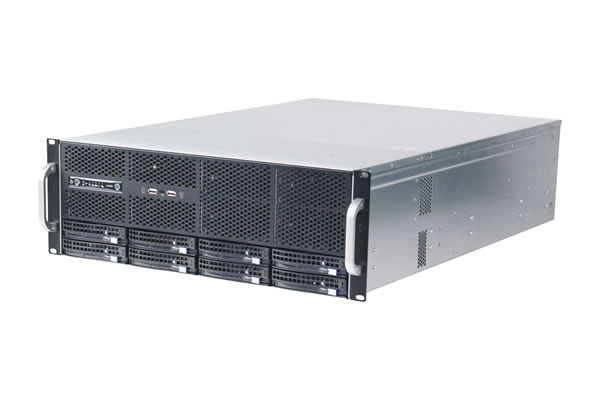
this article discusses the best server selection and configuration recommendations when building a taiwan ip to help you optimize network performance.